
Rite of Christian Initiation of Adults (RCIA)
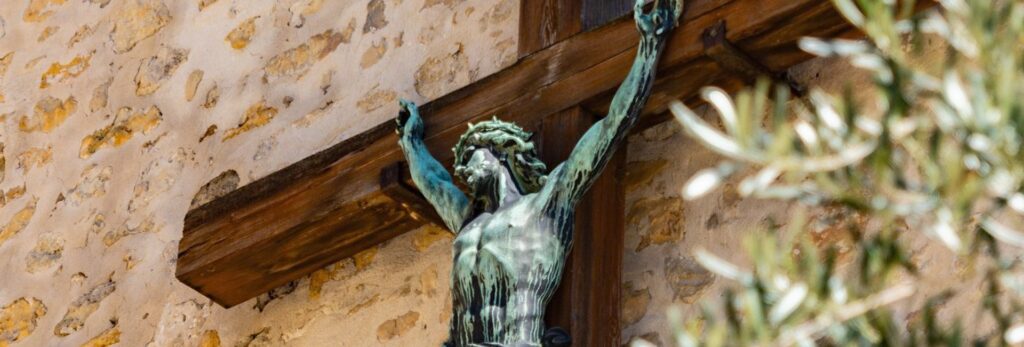
The Rite of Christian Initiation of Adults (RCIA) is a program for people interested in the Catholic faith, whether they are non-Catholics thinking about becoming Catholic, or Catholics who wish to learn more and/or embrace the Catholic faith. The program starts with a period of instruction and progresses into a more in-depth experience of Catholicism and then invites participants into a process of initiation. Often this includes the Sacraments of Initiation: Baptism (for those not yet baptized, or baptized in another denomination), Confirmation and the Holy Eucharist.
At St. Anthony’s we offer the following program for Adults who wish to come into full communion with the Catholic Church. There are a number of steps an individual will move through and there is no set timeline that must be adhered to although the Sacraments are administered at Easter.
A person may take as long as they, and those journeying with them, deem appropriate.
What are the steps of RCIA?
Prior to beginning the RCIA process, an individual comes to some knowledge of Jesus Christ, considers his or her relationship with Jesus Christ and is usually attracted in some way to the Catholic Church. This period is known as the Period of Evangelization and Precatechumenate. For some, this process involves a long period of searching; for others, a shorter time. After a conversation with a priest, or RCIA director, the person, known as an “inquirer,” may seek acceptance into the Order of Catechumens, through the Rite of Acceptance. During this Rite, the inquirer stands amidst the parish community and states that he or she wants to become a baptized member of the Catholic Church. The parish assembly affirms this desire and the inquirer becomes a Catechumen.
The Period of the Catechumenate can last for as long as several years or for a shorter time. It depends on how the person is growing in faith, what questions they encounter along the way, and how God leads them on this journey. When a Catechumen and the priest and the parish team working with him or her believes the person is ready to make a faith commitment to Jesus in the Catholic Church, the next step is the request for baptism and the celebration of the Rite of Election.
The Rite of Election includes the enrolment of names of all the Catechumens seeking baptism at the coming Easter Vigil. Typically, on the first Sunday of Lent, the Catechumens, their sponsors and families gather at the Cathedral Church. The Catechumens publicly express their desire for baptism to the diocesan bishop. Their names are recorded in a book and they are called the Elect.… Read more “Rite of Christian Initiation of Adults (RCIA)”
Holy Orders
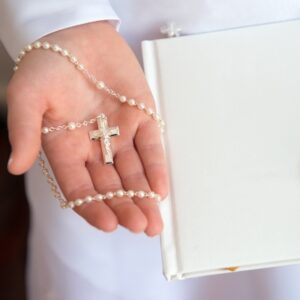 The Sacrament of Holy Orders continues in the Church the apostolic ministry that the Lord gave to the Apostles. This sacrament, also called Ordination, consists of three degrees: diaconal (deacons), presbyteral (priests) and episcopal (bishops). Men who are ordained receive from God the grace to carry on the mission entrusted by Christ to his Apostles – bishops and priests participating in the priesthood of Christ and deacons in his ministry of service. While it takes years of formation and experience to prepare priests and deacons for Ordination, ultimately it is Christ who works in and through them.
If you or someone you know is interested in discerning a call to the priesthood, the permanent diaconate or other consecrated vocations, please speak with our pastor or contact the parish office.
Marriage
 The Sacrament of Matrimony, or marriage, is a unique sacrament because it is the man and the woman that mutually administers the sacrament upon each other in the presence of a priest or deacon and other witnesses.
It is a sacred covenant, a public promise made by the husband and the wife to be true to each other until death parts them. In order for a marriage to be valid, the couple must be entering into the covenant out of their own free will, without fear or coercion. They are also asked to honour and be true to each other for the rest of their lives, as well as to accept children lovingly from God and bring them up according to the law of Christ and His Church.
Are you getting married? Have questions about Marriage Prep? Find out more here.
Anointing of the Sick
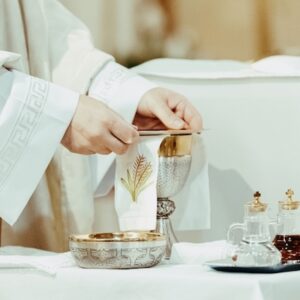 The Sacrament of Anointing of the Sick is how God gives us spiritual strength to persevere through the challenges of severe illness or impending death. The Anointing of the Sick is a healing sacrament which unites our physical suffering with the pain and suffering experienced by Jesus during his earthly life. The graces of this sacrament bring peace and courage to overcome the difficulties that come our way.
The elderly, the gravely ill and those facing surgery or other serious health challenges are encouraged to receive this sacrament. If you or a loved one would like to receive Anointing of the Sick, please contact the parish office and we will be pleased to assist you.
In case of emergency, or to request a hospital visit, please contact our parish office so we may assist you or connect you with the appropriate hospital chaplain.
Reconciliation
 The Sacrament of Reconciliation, also known as Confession or the Sacrament of Penance, is a healing sacrament by which we experience the mercy of God. Through the ministry of a priest, we honestly confess our sins to Jesus and then receive his forgiveness and mercy. Regular confession brings healing to our hearts and restores our relationship with God and the community.
Catholics are always welcome to return to this sacrament, whether it has been two weeks or two decades since their last confession. Confession times are listed on our website, and we invite you to participate as often as possible.
If you would like to receive the Sacrament of Reconciliation, please come to the church at the times listed on our website or contact the parish office to schedule an appointment.
Confirmation
 The Sacrament of Confirmation is a significant step in the growth and development of every Catholic, necessary for the completion of baptismal grace. At Confirmation, we affirm our commitment to God and the Church and receive a special outpouring of the Holy Spirit. The grace of this sacrament deepens our faith and brings us into a more abundant life with Christ, and strengthens us to share the love of Jesus Christ with others.
Most Catholics are confirmed after formation in a Catholic school or a parish religious education program. Older teenagers and adults are also invited to prepare for this sacrament through Confirmation classes, which will provide a better understanding of the gifts that the Holy Spirit gives in this sacrament Church. If you are interested in receiving the Sacrament of Confirmation for yourself or your child, please contact our parish office so that we can assist you.
Eucharist
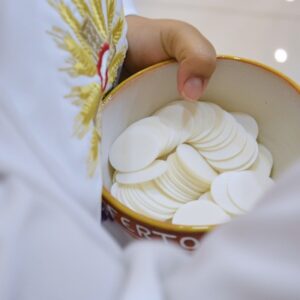 The Sacrament of the Eucharist, also called the Mass, is “the source and summit of the Christian Life.” All of the other sacraments point to it. When the priest prays the words of consecration over the bread and wine at Mass, we believe, in accordance with the teaching of Jesus, that they become his Body and Blood. We receive this most precious of gifts in Holy Communion, which intimately unites us with Jesus and helps us become more like him through the grace he gives us by his very presence in our human bodies. Because the Son of God is truly present in the Eucharist, Catholics also adore the Blessed Sacrament during Exposition, and we reverence the tabernacle where the Eucharist is placed after Mass.
Catholics who are ready to receive Jesus in the Eucharist are invited to receive Holy Communion during Mass. Our hearts are ready to receive him when we have been baptized in the Catholic Church (or baptized in another church and later received into the Catholic Church) and are not in a state of serious sin. If you are not yet ready to receive Jesus in the Eucharist, you are welcome to line up during Communion and receive a blessing (indicated by placing your hands across your chest).
If you would like to learn more about preparing to receive the Eucharist yourself or for your child, please contact the parish office and we would be happy to assist you.
Baptism
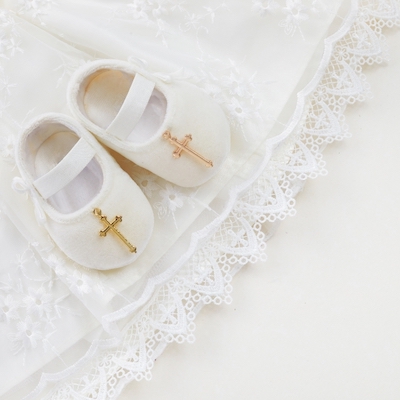 The Sacrament of Baptism is the basis of the whole Christian life, making us sons and daughters of God and members of the Body of Christ and freeing us from sin. Through Baptism, we are welcomed into the Catholic Church, the community of faith. When we are baptized, the Holy Spirit comes to live in us. Baptism enables us to receive the other sacraments and to grow in the life of the Risen Christ.
Many Catholics receive this sacrament as infants. Before infants are baptized, the parents (and often the godparents as well) receive preparation for their child’s sacramental faith journey. Adults and teenagers who have not been baptized and who wish to become Catholic usually participate in the Rite of Christian Initiation of Adults. After this period of formation, they receive the Sacraments of Initiation, which include Baptism.
If you are interested in registering yourself or your child to receive the Sacrament of Baptism, please fill out this form and our team will be in touch. Let us know if you have any further questions and we would be happy to assist you.